> For the complete documentation index, see [llms.txt](https://www.babareplica7.ru/llms.txt). Markdown versions of documentation pages are available by appending `.md` to page URLs; this page is available as [Markdown](https://www.babareplica7.ru/navigating-moq-requirements-for-small-businesses-in-lingerie-wholesale.md).
# Navigating MOQ Requirements for Small Businesses in Lingerie Wholesale
The world of lingerie wholesale is both exciting and challenging, particularly for small businesses that are looking to enter or expand their presence in the market. One of the primary obstacles faced by small business owners is meeting Minimum Order Quantity (MOQ) requirements set by manufacturers and suppliers. However, as the market for lingerie continues to evolve, with an increased emphasis on innovative fabrics and inclusivity, navigating these MOQ requirements has become a critical part of ensuring business success.
In addition to MOQ challenges, small businesses in [lingerie wholesale](https://www.fashiontiy.com/women-lingerie\&sleep.html) must also focus on providing high-quality, durable, and comfortable lingerie. Whether it’s wholesale sports bras, wholesale panties, shapewear wholesale vendors, plus size lingerie wholesale, or custom panties, the quality of the materials used directly impacts customer satisfaction and retention. As consumers demand more from their intimate wear, the need for innovative fabrics that combine comfort and durability has never been more urgent.
This article explores how small businesses can overcome MOQ challenges and benefit from innovations in fabric technology to offer better products, such as wholesale sports bras, shapewear, and plus size lingerie. Let’s take a closer look at the intricate relationship between MOQ requirements, fabric innovations, and how small businesses can stay competitive in the lingerie wholesale market.
#### 1. Understanding MOQ in Lingerie Wholesale
MOQ, or Minimum Order Quantity, is a term used in wholesale to define the smallest number of items a buyer can purchase from a manufacturer or supplier in one order. For small businesses, especially those just starting out, MOQs can seem like an overwhelming barrier. Many manufacturers set high MOQ requirements, which can make it difficult for small businesses to invest in large quantities of products without taking significant financial risks.
In the lingerie wholesale industry, MOQs can vary greatly depending on the type of lingerie being purchased, the fabric used, and whether the items are mass-produced or custom-designed. For example, [wholesale sports bras](https://www.fashiontiy.com/wholesale-bras.html) or wholesale panties may have a lower MOQ compared to more complex items such as shapewear or custom panties. Shapewear wholesale vendors often require higher MOQs due to the specialized nature of the fabric and design, while plus size lingerie wholesale may involve an even higher MOQ because of the added production complexity.
#### 2. Why MOQ Requirements Can Be a Challenge for Small Businesses
While larger businesses and established brands may have the purchasing power to meet higher MOQ requirements, small businesses often lack the resources to order large quantities of inventory. This creates a number of challenges:
* **Financial Risk:** Meeting MOQ requirements often means that small businesses need to invest heavily upfront, which can be a significant financial burden.
* **Inventory Management:** A large order may result in an overstock of certain products, leading to issues with unsold inventory and potential financial loss.
* **Limited Flexibility:** High MOQs can limit the ability of small businesses to test new styles, sizes, or colors, which can stifle creativity and market adaptability.
Despite these challenges, there are ways for small businesses to work around MOQ requirements and take advantage of the innovative opportunities in the wholesale lingerie market.
#### 3. Strategies for Navigating MOQ Requirements in Lingerie Wholesale
Small businesses need to adopt strategic approaches to navigate MOQ challenges effectively. Here are a few strategies that can help small lingerie businesses manage MOQ requirements while remaining competitive:
**3.1. Collaborating with Suppliers**
One of the best ways small businesses can navigate MOQ requirements is by developing strong relationships with suppliers. By negotiating directly with manufacturers, businesses may be able to secure a reduced MOQ or a more flexible arrangement. This is especially important when dealing with wholesale sports bras, [wholesale panties](https://www.fashiontiy.com/wholesale-panties.html), or custom panties, as these products may require more personalized or small-batch orders. Suppliers who are willing to collaborate with smaller businesses can make a significant difference in their ability to grow.
Additionally, working with shapewear wholesale vendors that offer small-batch production or made-to-order services can help small businesses create a more sustainable inventory model. These vendors may also be able to offer more flexibility when it comes to customization and fabric selection, which is crucial for staying competitive.
**3.2. Focusing on Niche Markets**
Instead of attempting to cater to a broad audience, small businesses can focus on niche markets that align with current lingerie trends. For example, [plus size lingerie wholesale](https://www.fashiontiy.com/women-plus-size-lingerie.html) is a growing segment that often requires specialized designs and fabrics. By identifying niche opportunities such as custom panties or eco-friendly fabrics, small businesses can target specific customer bases while managing MOQ requirements more effectively.
Additionally, offering a curated selection of high-quality, durable, and comfortable products can be more appealing to customers than a wide variety of generic lingerie items. Custom panties, for instance, allow customers to personalize their lingerie experience, and focusing on such specialized products could help small businesses stand out in a competitive market.
**3.3. Partnering with Dropshipping Services**
Dropshipping is a business model that allows small businesses to sell products without holding inventory. In this arrangement, the business partners with a supplier or manufacturer that handles the inventory and shipping directly to the customer. This model allows businesses to bypass MOQ requirements, as they don’t have to commit to purchasing large quantities of products upfront.
Dropshipping can be particularly useful for small businesses entering the wholesale lingerie market, as it offers greater flexibility when selecting products like wholesale sports bras or wholesale panties. However, it’s important to work with trusted dropshipping partners, especially when selling products like shapewear and custom panties that require high-quality materials and craftsmanship.
#### 4. Innovative Fabrics in Wholesale Lingerie: Comfort Meets Durability
While MOQ requirements can be a challenge for small businesses, the growing demand for high-quality, innovative fabrics in lingerie wholesale presents an exciting opportunity. Modern consumers are increasingly looking for lingerie that combines both style and function—comfort, durability, and breathability are key factors influencing their purchasing decisions. Small businesses can capitalize on these fabric trends to differentiate themselves from larger competitors and offer products that meet consumer expectations.
**4.1. Microfiber and Modal: Softness and Flexibility**
Microfiber is a fabric that is revolutionizing the lingerie industry due to its exceptional softness, stretchability, and moisture-wicking properties. Small businesses can leverage microfiber to create comfortable and durable wholesale sports bras and wholesale panties that provide both support and a smooth fit. Additionally, modal fabric, which is a type of rayon, is often used in high-end lingerie for its luxurious feel and ability to retain its shape after washing.
Modal is a great option for custom panties as it provides a silky texture that is both breathable and resistant to shrinking. Modal’s sustainable production process also appeals to environmentally conscious consumers, providing small businesses with an opportunity to tap into the eco-friendly lingerie market.
**4.2. Nylon-Spandex Blends: Durability and Shape Retention**
Nylon-spandex blends are essential in creating lingerie that holds its shape and provides a snug, supportive fit. For [shapewear wholesale vendors](https://www.fashiontiy.com/wholesale-shapewear.html), this blend is particularly useful, as it offers both compression and flexibility, allowing garments to smooth and contour the body while maintaining comfort.
Small businesses can use nylon-spandex blends to produce durable wholesale sports bras, wholesale panties, and even plus size lingerie wholesale items. These fabrics are resistant to wear and tear, which increases the longevity of the products and ensures that customers receive value for their money.
**4.3. Lace and Tulle: Elegance and Breathability**
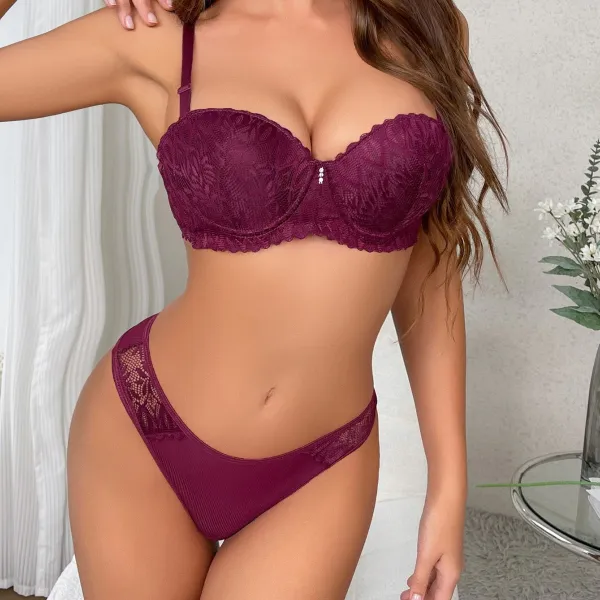
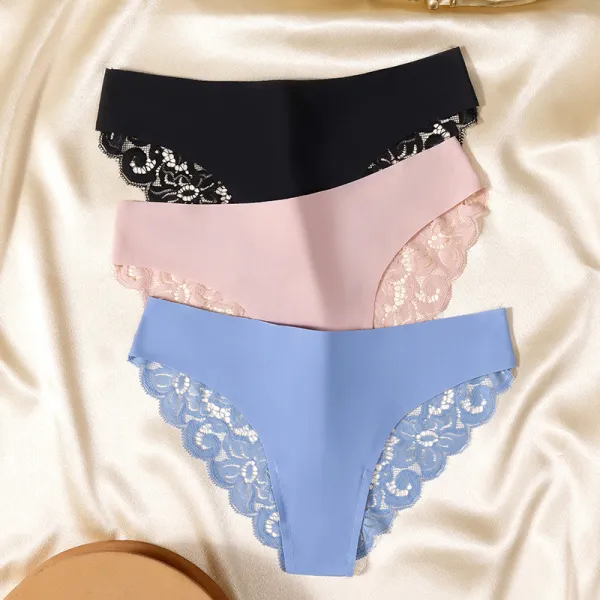
For customers who seek more luxurious and delicate lingerie, lace and tulle offer an elegant and breathable alternative. Modern lace fabrics are now designed to be softer and more flexible, making them suitable for everyday wear. Small businesses can use lace and tulle for custom panties, which offer both beauty and comfort. The breathable properties of these fabrics ensure that the lingerie remains comfortable throughout the day while adding a sensual touch.
#### 5. Balancing MOQ and Fabric Innovation for Small Businesses
Navigating MOQ requirements in lingerie wholesale may seem daunting, but small businesses can thrive by being strategic and focusing on the innovative fabrics that are changing the lingerie market. By collaborating with suppliers, targeting niche markets, or utilizing dropshipping models, small businesses can manage their inventories while offering high-quality, durable products like wholesale sports bras, wholesale panties, shapewear, and [custom panties](https://www.fashiontiy.com/custom-lingerie.html). As consumer demand for comfort, durability, and inclusivity continues to grow, small businesses that embrace these fabric innovations will be well-positioned to succeed.
The future of lingerie wholesale is exciting, and with the right strategies in place, small businesses can not only overcome MOQ challenges but also become leaders in offering innovative, high-quality lingerie that meets the evolving needs of modern consumers.