> For the complete documentation index, see [llms.txt](https://www.babareplica7.ru/llms.txt). Markdown versions of documentation pages are available by appending `.md` to page URLs; this page is available as [Markdown](https://www.babareplica7.ru/launching-a-swimwear-line-wholesale-options-and-custom-manufacturing-explained.md).
# Launching a Swimwear Line: Wholesale Options and Custom Manufacturing Explained
Launching a swimwear line is both an exciting creative journey and a complex business decision. Swimwear sits at the intersection of fashion, function, and seasonal demand, making it one of the most competitive yet rewarding categories in the apparel industry. Whether you are an aspiring designer, an e-commerce entrepreneur, or a retailer expanding into private label products, understanding wholesale options and custom manufacturing is essential for long-term success.
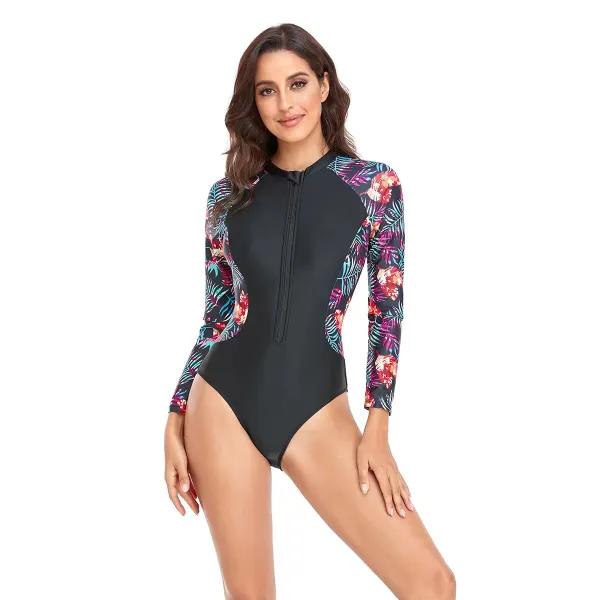
This guide explores the key steps, strategies, and considerations involved in building a swimwear brand, with a clear focus on sourcing, production models, and market positioning. From [wholesale swimwear](https://www.fashiontiy.com/women-swimwear.html) solutions to fully custom swimwear development, each approach offers unique advantages depending on your goals, budget, and timeline.
### Understanding the Swimwear Market Landscape
Before diving into sourcing and manufacturing, it’s important to understand the broader swimwear market. Swimwear is no longer limited to beach vacations. It has expanded into resort wear, poolside fashion, wellness lifestyles, and even everyday summer styling. Trends shift quickly, influenced by social media, sustainability movements, body positivity, and evolving consumer expectations.
Today’s swimwear customers look for:
* Comfort and fit across diverse body types
* Durable, high-quality materials
* Stylish designs aligned with current trends
* Ethical production and eco-friendly fabrics
* Inclusive sizing for women, men, and children
This diversity of demand explains why brands often carry multiple categories, including [wholesale bikinis](https://www.fashiontiy.com/wholesale-bikinis.html), wholesale men swimwear, and wholesale kids swimwear, rather than focusing on a single niche.
### Defining Your Swimwear Brand Vision
Every successful swimwear line begins with a clear brand vision. This vision will guide every decision you make, from design and pricing to manufacturing and marketing.
Key questions to define your direction include:
* Who is your target customer?
* Are you positioning as affordable, mid-range, or premium?
* Will your brand focus on fashion-forward designs, performance swimwear, or everyday basics?
* Are sustainability and ethical production core brand values?
Your answers will influence whether you choose ready-made wholesale swimwear or invest in custom swimwear manufacturing. Brands seeking fast market entry often lean toward wholesale, while those aiming for strong brand differentiation may prioritize custom production.
### Wholesale Swimwear: A Fast and Practical Starting Point
Wholesale swimwear is one of the most popular entry points for new brands and retailers. This model involves purchasing pre-designed, ready-to-produce styles from manufacturers or suppliers and selling them under your own brand or alongside other products.
#### Advantages of Wholesale Swimwear
The biggest benefit of wholesale sourcing is speed. Designs are already developed, samples are often available, and production timelines are shorter. This allows brands to test the market quickly and respond to seasonal trends.
Other advantages include:
* Lower minimum order quantities compared to custom manufacturing
* Reduced design and development costs
* Easier inventory planning
* Faster cash flow cycles
For new businesses, wholesale bikinis are especially attractive. Bikinis typically require less fabric, have simpler sizing compared to one-piece suits, and are highly trend-driven, making them ideal for testing consumer preferences.
### Exploring Product Categories Through Wholesale
One of the strengths of wholesale sourcing is the ability to build a diverse product range without heavy upfront investment.
#### Wholesale Bikinis
Wholesale bikinis remain the backbone of many swimwear collections. They come in countless styles, including triangle tops, bandeau tops, high-waisted bottoms, cheeky cuts, and sporty designs. Brands can curate collections based on color trends, prints, or specific aesthetics such as minimalist, bohemian, or retro.
Because bikinis are easy to mix and match, they also offer strong upselling potential and encourage repeat purchases.
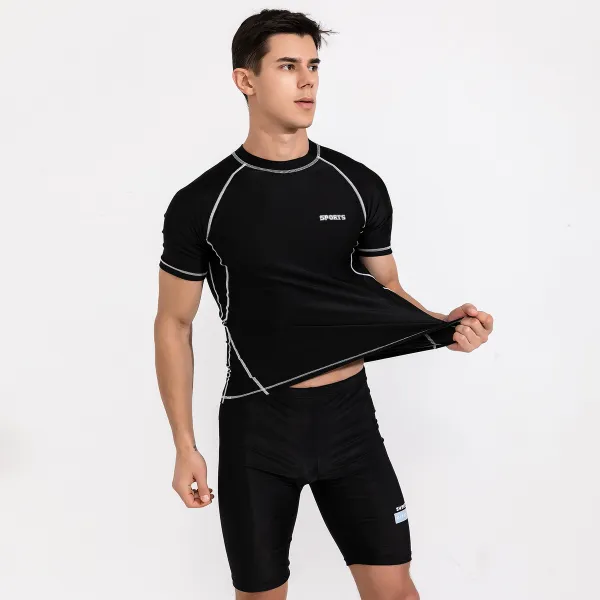
#### Wholesale Men Swimwear
The market for [wholesale men swimwear](https://www.fashiontiy.com/men-swimwear.html) has grown steadily as men become more style-conscious and demand better fit and fabric quality. Popular styles include swim trunks, board shorts, and hybrid shorts that transition from beach to casual wear.
Men’s swimwear often emphasizes durability, comfort, and functional features such as quick-dry fabrics and secure pockets. Wholesale sourcing allows brands to offer these features without the complexity of custom pattern development.
#### Wholesale Kids Swimwear
Wholesale kids swimwear is a niche with strong seasonal demand and high repeat purchase potential. Parents prioritize comfort, safety, and durability, while children are drawn to bright colors and playful prints.
Offering kids’ swimwear alongside adult collections helps brands position themselves as family-oriented and increases overall basket value. Wholesale options simplify compliance with safety standards and sizing requirements, which can be more complex for children’s apparel.
### Limitations of Wholesale Swimwear
While wholesale sourcing offers convenience, it also comes with limitations. Designs are not exclusive, meaning other brands may sell similar or identical styles. This can make differentiation challenging, especially in crowded online marketplaces.
Additionally, customization options are often limited to:
* Color selection
* Logo labeling or packaging
* Minor fabric changes
For brands aiming to build a strong identity or stand out through unique silhouettes and prints, wholesale swimwear may eventually feel restrictive.
### Custom Swimwear: Building a Distinctive Brand Identity
Custom swimwear manufacturing allows brands to create original designs from scratch. This process typically involves developing unique patterns, selecting fabrics, creating custom prints, and refining fit through multiple sampling stages.
While more complex and resource-intensive, custom production is often the path chosen by brands focused on long-term growth and brand equity.
#### Benefits of Custom Swimwear
The most significant advantage of custom swimwear is exclusivity. Your designs belong solely to your brand, making it easier to establish a recognizable style and loyal customer base.
Additional benefits include:
* Full control over fit, materials, and construction
* Ability to incorporate innovative features or sustainable fabrics
* Greater flexibility in sizing and inclusivity
* Stronger storytelling and brand differentiation
Custom manufacturing also allows brands to respond more precisely to customer feedback, improving fit and performance over time.
### The Custom Swimwear Development Process
Understanding the custom manufacturing process helps set realistic expectations for timelines and costs.
#### Design and Concept Development
This stage includes creating sketches, mood boards, and technical design concepts. Brands define silhouettes, coverage levels, and functional details such as adjustable straps or supportive linings.
#### Fabric Selection
Swimwear fabrics must meet strict performance requirements, including stretch, recovery, chlorine resistance, and UV protection. Many brands now choose recycled nylon or polyester to appeal to eco-conscious consumers.
#### Sampling and Fit Testing
Samples are created based on initial designs. Fit testing is critical, as swimwear must perform well on different body types. Multiple rounds of revisions are common at this stage.
#### Production and Quality Control
Once samples are approved, bulk production begins. Quality control checks ensure consistency in stitching, sizing, and fabric performance before shipment.
### Cost Considerations: Wholesale vs Custom
Budget is often the deciding factor when choosing between wholesale and custom manufacturing.
Wholesale swimwear generally requires:
* Lower upfront investment
* Smaller minimum order quantities
* Predictable pricing
Custom swimwear, on the other hand, involves:
* Higher development and sampling costs
* Larger minimum orders per style
* Longer lead times
However, custom products often allow for higher retail pricing and better profit margins once the brand is established.
### Choosing the Right Manufacturing Partner
Whether sourcing wholesale bikinis or producing custom swimwear, selecting the right supplier is critical. A reliable manufacturing partner should offer transparency, consistent quality, and clear communication.
Key factors to evaluate include:
* Experience in swimwear production
* Fabric and material sourcing capabilities
* Compliance with ethical and environmental standards
* Sampling and production timelines
* Willingness to grow with your brand
Building a long-term relationship with your manufacturer can significantly improve efficiency and product quality over time.
### Balancing Wholesale and Custom Strategies
Many successful brands do not choose one approach exclusively. Instead, they combine wholesale and custom strategies to balance speed, creativity, and risk.
For example:
* Launching with wholesale swimwear to test the market
* Introducing custom swimwear pieces as the brand grows
* Using wholesale men swimwear and [wholesale kids swimwear](https://www.fashiontiy.com/kids-swimwear.html) to complement a custom women’s line
This hybrid approach allows brands to scale gradually while maintaining creative control.
### Branding and Marketing Your Swimwear Line
No matter how well your products are made, strong branding and marketing are essential. Swimwear is a visual category, making photography, social media, and influencer collaborations especially powerful.
Effective strategies include:
* Lifestyle-driven photoshoots
* Clear sizing guides and fit descriptions
* Storytelling around design inspiration and materials
* Leveraging seasonal launches and limited collections
For custom swimwear brands, highlighting the design process and craftsmanship helps justify premium pricing and build trust.
### Planning for Growth and Scalability
As your swimwear line gains traction, scalability becomes a priority. This includes expanding product categories, improving supply chain efficiency, and entering new markets.
Wholesale sourcing can support rapid expansion, while custom manufacturing strengthens brand identity and customer loyalty. The key is aligning production decisions with your long-term vision rather than short-term trends alone.
### Final Thoughts
Launching a swimwear line requires careful planning, creative vision, and strategic sourcing. Wholesale swimwear offers an accessible starting point, allowing brands to enter the market quickly with manageable risk. Categories such as wholesale bikinis, wholesale men swimwear, and wholesale kids swimwear provide flexibility and broad consumer appeal.
As brands evolve, [custom swimwear](https://www.fashiontiy.com/custom-swimwear.html) manufacturing becomes a powerful tool for differentiation and long-term growth. By understanding the strengths and limitations of each approach, entrepreneurs can make informed decisions that support both immediate success and future expansion.
Ultimately, the most successful swimwear brands are those that combine smart sourcing, thoughtful design, and a deep understanding of their customers. With the right balance of wholesale and custom strategies, launching a swimwear line can become a sustainable and rewarding business journey.