> For the complete documentation index, see [llms.txt](https://www.babareplica7.ru/llms.txt). Markdown versions of documentation pages are available by appending `.md` to page URLs; this page is available as [Markdown](https://www.babareplica7.ru/client-case-studies-profitable-wholesale-denim-strategies.md).
# Client Case Studies: Profitable Wholesale Denim Strategies
In the highly competitive apparel industry, denim remains one of the most resilient and profitable categories. Across markets and customer segments, jeans and denim-based products continue to evolve while maintaining their timeless appeal. This article explores a series of real-world client case studies that demonstrate how smart sourcing, branding, and inventory strategies around wholesale denim have driven sustainable growth. From boutique startups to multi-channel retailers, these stories highlight how thoughtful decisions in [wholesale clothing jeans](https://www.fashiontiy.com/wholesale-jeans.html) and related categories can transform business performance.
#### Case Study One: Building a Boutique Brand with Focused Denim Curation
A small urban boutique in California began with limited capital and a narrow floor space. Instead of offering a broad apparel assortment, the owner chose to specialize in denim-driven collections. By carefully selecting wholesale denim jeans mens styles with modern fits and neutral washes, the boutique quickly developed a loyal customer base.
The strategy centered on quality over quantity. Rather than chasing every trend, the buyer worked closely with suppliers of wholesale denim to secure consistent fabric quality and reliable sizing. Seasonal drops were small but intentional, allowing the boutique to test demand without overstocking. Within one year, denim accounted for over 60% of total revenue, and customer return rates increased significantly.
The key lesson from this case is that a focused denim strategy, when aligned with a clear brand identity, can outperform broader but less cohesive product offerings.
#### Case Study Two: Scaling Online Sales Through Bulk Purchasing
An e-commerce retailer based in Texas faced challenges with fluctuating margins due to inconsistent supplier pricing. To solve this, the company shifted toward [bulk denim jackets](https://www.fashiontiy.com/wholesale-denim-jackets.html) and large-volume purchasing agreements. This move reduced per-unit costs and allowed for more aggressive pricing during promotional periods.
By leveraging data analytics, the retailer identified best-selling washes and cuts, then doubled down on those styles. Bulk purchasing not only improved margins but also ensured consistent inventory availability, reducing lost sales from stockouts. The company also introduced bundle deals pairing wholesale denim shorts with jackets, increasing average order value.
Within 18 months, revenue grew by over 40%, largely driven by denim categories. This case shows how strategic bulk buying, combined with data-driven decision-making, can significantly enhance profitability in wholesale denim operations.
#### Case Study Three: Private Label Success Through Customization
A mid-sized fashion retailer in the Midwest sought to differentiate itself from competitors offering similar products. The solution was to invest in custom jeans under a private label. By collaborating directly with manufacturers, the brand was able to control fabric weight, stitching details, and fit profiles.
The introduction of [custom jeans](https://www.fashiontiy.com/custom-jeans.html) allowed the retailer to tell a unique brand story and justify higher price points. Customers appreciated the exclusive designs and consistent fit, leading to stronger brand loyalty. Additionally, private labeling reduced direct price competition, as identical products were not available elsewhere.
This case highlights how customization in wholesale denim can be a powerful tool for brands seeking long-term differentiation and margin protection.
#### Case Study Four: Expanding into Family-Oriented Denim Lines
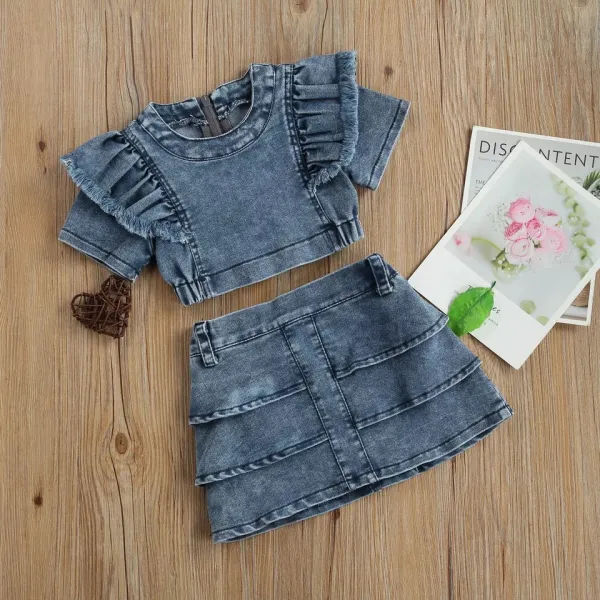
A regional chain store known for women’s apparel identified an opportunity to serve family shoppers. By adding [wholesale kids denim](https://www.fashiontiy.com/kids-denim.html) and expanding men’s offerings, the retailer transformed into a one-stop destination for denim essentials.
The strategy relied on coordinated buying, ensuring consistent washes and styles across age groups. Parents appreciated the ability to shop for themselves and their children in one place, increasing basket size and shopping frequency. The retailer also introduced seasonal promotions tied to back-to-school and holiday periods, further boosting denim sales.
Within two years, the family denim segment became one of the fastest-growing categories in the business. This example demonstrates the value of broadening denim assortments to capture household-level purchasing behavior.
#### Case Study Five: Optimizing Inventory for Seasonal Demand
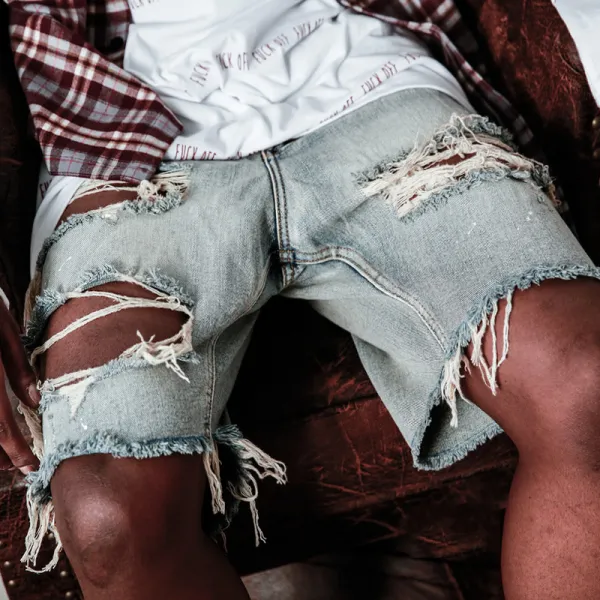
A coastal retailer with fluctuating tourist traffic struggled with inventory planning. Denim demand varied significantly by season, especially for shorts and lightweight styles. By refining its sourcing of [wholesale denim shorts](https://www.fashiontiy.com/wholesale-denim-shorts.html) and adjusting order cycles, the retailer aligned inventory more closely with customer demand.
Shorter lead times and flexible reordering options allowed the business to react quickly to sales trends. Instead of deep end-of-season discounts, the retailer maintained healthier margins and reduced leftover stock. Denim remained profitable year-round, with seasonal adjustments rather than drastic assortment changes.
This case underscores the importance of agile inventory strategies in maximizing returns from wholesale denim investments.
#### Case Study Six: Wholesale Denim as a Foundation for Multi-Channel Growth
A brand that began as a physical retailer later expanded into online marketplaces and social commerce platforms. Denim was chosen as the foundation category due to its universal appeal and repeat-purchase potential. By standardizing core styles in wholesale clothing jeans, the brand ensured consistency across channels.
Clear product descriptions, size guides, and lifestyle imagery helped reduce returns and build trust with online shoppers. Denim content performed especially well on social media, where styling videos and fit demonstrations drove engagement and conversions. Over time, the brand developed a strong omnichannel presence, with denim acting as the anchor product.
The takeaway here is that [wholesale denim](https://www.fashiontiy.com/women-denim.html), when managed consistently, supports scalable growth across both physical and digital channels.
#### Case Study Seven: Cost Control Through Supplier Partnerships
A high-volume distributor supplying independent retailers faced margin pressure from rising logistics costs. To counter this, the company formed long-term partnerships with key wholesale denim suppliers. These partnerships included negotiated pricing, shared forecasting, and consolidated shipping schedules.
The result was improved cost predictability and stronger supplier relationships. Retail clients benefited from stable pricing and reliable delivery, reinforcing trust in the distributor. Denim volumes increased as retailers consolidated more of their purchasing through a single, dependable source.
This case illustrates how strategic supplier relationships can enhance profitability and resilience in wholesale denim distribution.
#### Case Study Eight: Trend Adaptation Without Overexposure
A fashion-forward boutique wanted to stay relevant without risking overinvestment in short-lived trends. The solution was a hybrid approach: core denim styles formed the backbone of inventory, while limited trend-driven pieces were introduced in smaller quantities.
By sourcing wholesale denim in classic silhouettes and supplementing with selective fashion updates, the boutique maintained freshness without excessive risk. Trend items created buzz and attracted new customers, while core styles ensured steady cash flow.
This approach demonstrates how balancing timeless denim with controlled experimentation can support both creativity and financial stability.
#### Case Study Nine: Enhancing Customer Experience Through Fit Consistency
Fit inconsistency is a common challenge in denim retail. A specialty store addressed this by narrowing its assortment to a small number of proven fits and working closely with suppliers to maintain strict quality standards. This applied across [wholesale denim jeans mens](https://www.fashiontiy.com/men-denim.html) and women’s lines.
Customers quickly learned which styles worked for them, leading to repeat purchases and word-of-mouth referrals. Returns decreased, and staff spent less time resolving fit-related issues. Denim became the store’s strongest category, not because of trendiness, but because of reliability.
This case emphasizes that consistency and customer trust are critical drivers of long-term denim success.
#### Case Study Ten: Long-Term Brand Equity Through Denim Storytelling
A lifestyle brand positioned denim as part of a broader narrative around craftsmanship and everyday wear. Marketing campaigns focused on fabric origins, production techniques, and real customer stories. This storytelling approach elevated perceived value across the wholesale denim range.
Denim launches were treated as events rather than routine restocks, generating anticipation and engagement. Over time, customers associated the brand with authenticity and durability, allowing for premium pricing and stronger loyalty.
This final case shows that denim is not just a product category, but a storytelling platform that can build lasting brand equity.
#### Lessons from Real-World Denim Success
Across these client case studies, several common themes emerge. Profitable wholesale denim strategies are built on clarity of purpose, whether that means focusing on a niche, scaling through bulk purchasing, or differentiating through customization. Effective inventory management, strong supplier relationships, and a deep understanding of the target customer consistently separate successful businesses from struggling ones.
Wholesale denim continues to offer immense opportunity for retailers willing to invest in thoughtful planning and long-term strategy. By learning from real-world success stories and applying these insights, businesses can turn denim into a reliable engine for growth, resilience, and brand strength in an ever-changing fashion landscape.