> For the complete documentation index, see [llms.txt](https://www.babareplica7.ru/llms.txt). Markdown versions of documentation pages are available by appending `.md` to page URLs; this page is available as [Markdown](https://www.babareplica7.ru/stock-smarter-sell-faster-essential-tips-for-buying-beauty-products-wholesale.md).
# Stock Smarter, Sell Faster: Essential Tips for Buying Beauty Products Wholesale
### 1. The Strategic Imperative of Smart Wholesale Sourcing
The global beauty and personal care market is characterized by rapid consumer shifts, hyper-personalized grooming demands, and an unyielding quest for high-performance products. Whether you are an independent boutique founder, an e-commerce startup executive, a salon owner, or a scaling retail merchant, choosing the right product sourcing and inventory management strategy is the single most critical decision determining long-term survival and profitability. When expanding within the retail beauty industry, entrepreneurs must master the art of stocking smarter to sell faster. That journey begins with understanding how to seamlessly integrate [wholesale beauty products](https://www.superflive.com/) into a streamlined retail framework.
Too often, new retail founders focus exclusively on low-cost mass-market items without analyzing inventory turnover speeds or carrying costs, resulting in razor-thin profit margins, fierce price competition, and unmanageable stockroom bloat. To unlock hidden profits and accelerate cash flow, businesses must pivot toward diversified, high-demand product ecosystems that command strong emotional attachment and repeat purchase loyalty. This comprehensive guide serves as your definitive strategic manual for buying beauty inventory wholesale, optimizing supply chain logistics, and scaling your retail brand for maximum profitability.
### 2. Phase One: The Profit Mechanics of Smart Beauty Curation
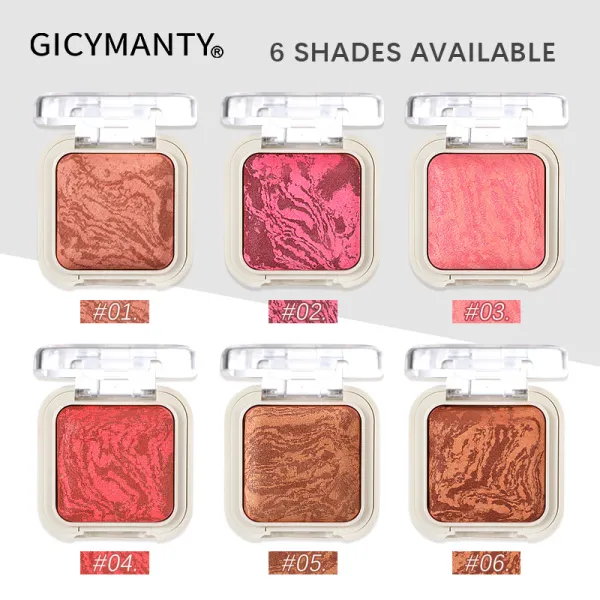
Stocking smarter requires an analytical evaluation of product category margins, customer lifetime value (LTV), and inventory velocity. In retail economics, certain categories inherently deliver superior return on investment (ROI) due to low unit production costs combined with high perceived consumer value. Specialized beauty niches—particularly color cosmetics, professional lip products, custom packaging, and portable fragrances—consistently outperform generic commodity goods.
When structuring a profitable inventory mix, retailers must balance high-frequency, impulse-driven staples with foundational essentials. For example, the lip cosmetics category remains one of the fastest-moving segments in retail beauty. Incorporating vibrant, trend-focused [wholesale lip gloss](https://www.superflive.com/wholesale-lip-gloss.html) collections allows retailers to capture massive consumer demand driven by social media viral trends, offering hydrating, highly pigmented formulas that deliver exceptional retail markups and rapid inventory turnover.
Furthermore, how products are presented and packaged dictates unboxing psychology and perceived brand equity. Whether you are assembling private-label skincare sets or customized beauty kits, utilizing durable, professional-grade containers is vital. Sourcing reliable [wholesale cosmetic jars suppliers](https://www.superflive.com/wholesale-cosmetic-jars.html) enables growing indie brands and established retailers to secure high-clarity acrylic jars, airtight cream containers, and tamper-evident packaging solutions that protect active formulas while elevating shelf appeal. Pairing these products with versatile, functional accessories like [wholesale makeup bags](https://www.superflive.com/wholesale-makeup-bags.html) further expands your average basket size, creating lucrative cross-selling opportunities that maximize revenue per transaction.
### 3. Phase Two: Capitalizing on Fragrance and Scent Profit Centers
Fragrance is an intimate, emotionally resonant category characterized by fierce brand loyalty, high perceived value, and exceptional repeat purchase rates. Because liquid scents command strong emotional attachments, expanding your retail inventory to include diverse fragrance profiles can dramatically elevate your average order value (AOV) and transform your boutique into a premier gifting destination.
Modern consumers increasingly favor convenience, accessibility, and travel-friendly formats. Offering curated [mini fragrances wholesale](https://www.superflive.com/wholesale-perfume.html) options allows customers to experiment with luxury and niche scent profiles without committing to full-sized, high-cost bottles, driving high-volume inventory turnover and frequent reorders.
To achieve complete demographic market coverage, your fragrance strategy must address distinct gender and lifestyle preferences. Stocking dedicated lines of [wholesale mens cologne](https://www.superflive.com/wholesale-men-perfume.html) addresses the rapidly growing male grooming and self-care market, featuring crisp aquatic notes, dynamic woody spices, and rich leather accords. Simultaneously, pairing these with exquisite [wholesale womens cologne](https://www.superflive.com/wholesale-women-perfume.html) selections—spanning delicate florals, gourmand vanillas, and complex oriental ambers—ensures comprehensive market coverage. For consumers seeking long-lasting, alcohol-free fragrance alternatives, sourcing pure [wholesale fragrance oil](https://www.superflive.com/wholesale-fragrance-oils.html) inventory enables retailers to appeal to artisanal fragrance enthusiasts, DIY perfumers, and customers with sensitive skin who prefer oil-based wearable scents, yielding lucrative profit margins due to low bulk volume costs.
### 4. Phase Three: Wig Manufacturing, Hair Extensions, and Salon Tools
The global hair care, extension, and wig market represents a multi-billion-dollar industry characterized by high customer retention and substantial repeat business. Whether catering to everyday protective styling, theatrical transformations, or natural hair enhancement, stocking premium hair goods is a proven growth strategy for scaling retail brands.
Wigs have evolved from medical or theatrical necessities into premier fashion accessories. Sourcing versatile [bulk wigs](https://www.superflive.com/wholesale-wigs.html) ensures that your boutique can offer everything from lace-front synthetic styles to premium human hair units designed for seamless blending, natural hairlines, and exceptional durability.
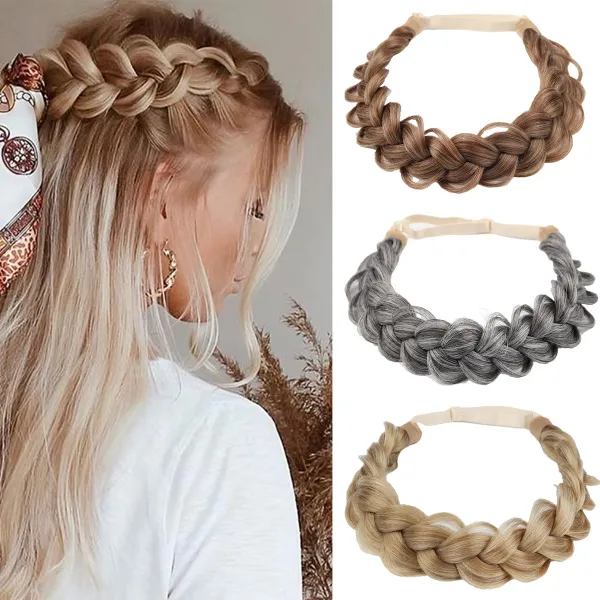
Protective styling, particularly knotless braids, box braids, and intricate cornrows, remains perennially fashionable. Stocking high-grade [braiding hair wholesale](https://www.superflive.com/wholesale-braiding-hair.html) options—featuring lightweight, tangle-free, and hot-water-setting synthetic or blended fibers—attracts professional braiders and DIY enthusiasts alike to your retail platform. For customers seeking permanent or semi-permanent length and volume, hair extensions are a staple investment. Partnering with reputable providers for [extension hair wholesale](https://www.superflive.com/wholesale-hair-extensions.html) guarantees access to cuticular-aligned human hair and high-durability wefts, tape-ins, and clip-ins that resist shedding and matting, commanding top-tier retail pricing.
Beyond hair fiber, salons and home stylists require robust mechanical support. Equipping your retail store with essential [wholesale haircare tools](https://www.superflive.com/wholesale-hair-suppliers.html)—including ceramic styling irons, professional blow dryers, ergonomic brushes, and processing equipment—completes your hair care ecosystem and positions your business as a comprehensive destination.
### 5. Phase Four: Advanced Sourcing, Supplier Vetting, and Quality Control
Stocking smarter means establishing a bulletproof sourcing and supply chain strategy. In the global wholesale marketplace, partnering with unverified vendors can lead to catastrophic inventory failures, including inconsistent product quality, severe delivery delays, and regulatory non-compliance. To protect your capital and brand reputation, importers and boutique founders must execute a rigorous, multi-step supplier auditing framework.
#### The 4-Pillar Supplier Audit Protocol
* Corporate and Legal Verification: Always cross-reference potential manufacturing partners' business licenses, export credentials, and legal histories with official commercial registries to confirm their authenticity.
* Physical Sample Stress-Testing: Never commit to large-scale bulk production without thoroughly testing pre-production physical samples. Evaluate wear resistance, color fastness, scent longevity, and structural durability.
* Ethical and Regulatory Compliance: Ensure that suppliers adhere to international safety standards, Good Manufacturing Practice (GMP) guidelines, and ethical labor laws, protecting your brand from legal liabilities.
* Capacity and Lead Time Scalability: Verify that your manufacturing partners possess the operational capacity, raw material access, and workforce stability required to scale production alongside your business growth.
### 6. Phase Five: Financial Optimization, Cash Flow, and Inventory Speed
Selling faster relies on strict financial discipline, particularly regarding working capital management, inventory turnover ratios, and predictive demand forecasting. Many scaling businesses fail not from a lack of sales, but from poor cash flow management caused by over-investing in slow-moving inventory or underestimating import tariffs, customs duties, and shipping logistics costs.
To maintain a healthy financial equilibrium, retailers should adopt a phased inventory strategy. Start with small-batch spot wholesale orders to test market response and consumer demand before committing capital to massive seasonal production runs. Furthermore, optimize your pricing models by factoring in all landed costs—including freight, insurance, packaging, and regulatory compliance fees—to ensure healthy net profit margins across every product category.
### 7. Building a Resilient, High-Margin Beauty Enterprise
Stocking smarter and selling faster in the competitive beauty retail landscape is a deliberate, strategic journey that combines specialized category curation, rigorous supplier vetting, and disciplined financial management. By pivoting toward high-margin niches such as professional hair extensions, custom cosmetic packaging, premium wig manufacturing, and exquisite fragrance lines, independent retailers and e-commerce founders can elevate their average order values and secure lasting brand loyalty.
Embrace proactive quality control, prioritize uncompromised safety standards, and position your enterprise for sustainable, long-term growth. With the right sourcing strategies, operational rigor, and financial discipline in place, your vision of building a thriving, highly profitable beauty empire is entirely within your reach.