> For the complete documentation index, see [llms.txt](https://www.babareplica7.ru/llms.txt). Markdown versions of documentation pages are available by appending `.md` to page URLs; this page is available as [Markdown](https://www.babareplica7.ru/how-to-expand-your-wholesale-shoe-business-internationally.md).
# How to Expand Your Wholesale Shoe Business Internationally
Expanding a wholesale shoe business internationally offers significant growth opportunities, but it also presents unique challenges. With the global footwear market continuing to grow, businesses that successfully navigate international expansion can tap into new customer bases, diversify revenue streams, and establish a competitive edge. For wholesale shoe businesses looking to go global, strategic planning and execution are essential.
This guide provides a comprehensive framework for expanding your wholesale shoe business internationally, covering market selection, localization strategies, compliance requirements, and operational considerations. For a wide selection of wholesale shoes to support your international expansion, explore the extensive collection available at [wholesale shoes](https://www.fashiontiy.com/shoes.html).
### Market Selection: Identifying Promising International Markets
The first step in international expansion is identifying which markets to target. Not all markets offer the same opportunities for wholesale shoe businesses, so careful research is essential.
#### Key Market Selection Criteria
* **Market size and growth**: Look for markets with large or growing footwear markets
* **Economic stability**: Consider the economic conditions and purchasing power of target markets
* **E-commerce penetration**: Evaluate the level of online shopping adoption
* **Cultural fit**: Assess whether your shoe products align with local preferences and trends
* **Regulatory environment**: Evaluate the ease of doing business and import/export regulations
* **Competition level**: Analyze the competitive landscape in potential target markets
#### Promising International Markets for Wholesale Shoes
* **North America**: Large, established market with high purchasing power
* **European Union**: Unified market with strong consumer protection laws
* **Southeast Asia**: Fast-growing market with increasing middle class
* **Middle East**: Growing luxury footwear market with high disposable income
* **Latin America**: Emerging market with increasing e-commerce adoption
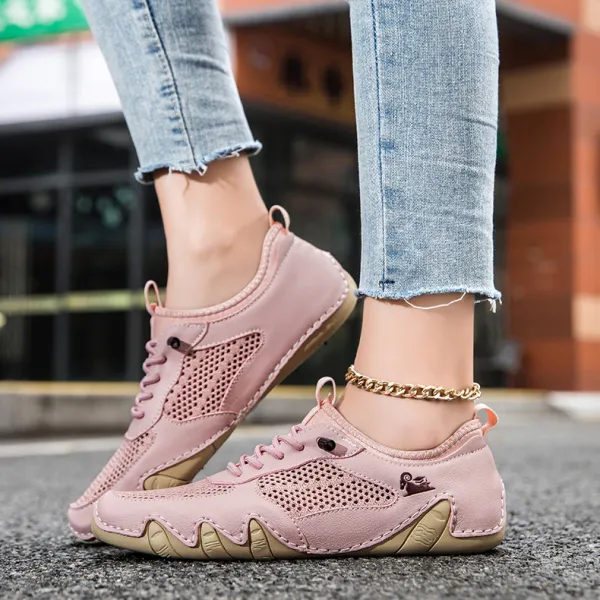
For specialized categories like [wholesale sneakers](https://www.fashiontiy.com/wholesale-sneakers.html), certain markets may offer particularly strong opportunities due to regional trends and preferences.
### Market Entry Strategies
Once you've identified promising markets, you need to determine the most appropriate market entry strategy.
#### Common Market Entry Strategies
* **Direct export**: Selling directly to international customers or retailers
* **Distributors**: Partnering with local distributors who have established networks
* **Joint ventures**: Collaborating with local businesses to share risks and resources
* **Licensing**: Allowing local partners to manufacture or sell your products
* **E-commerce platforms**: Selling through international online marketplaces
#### Strategy Selection Considerations
* **Resource availability**: Consider your financial and human resources
* **Risk tolerance**: Evaluate your willingness to assume market risks
* **Control requirements**: Determine how much control you need over operations
* **Market complexity**: Assess the complexity of the target market
* **Long-term goals**: Align your strategy with your long-term business objectives
### Localization Strategies
Successful international expansion requires adapting your business to local markets.
#### Product Localization
* **Style adaptations**: Modify designs to meet local fashion preferences
* **Size adjustments**: Adapt sizing to local standards
* **Material considerations**: Consider local climate and cultural preferences
* **Packaging modifications**: Adapt packaging to local requirements and preferences
#### Marketing Localization
* **Language adaptation**: Translate marketing materials into local languages
* **Cultural sensitivity**: Adapt marketing messages to local cultural norms
* **Local platforms**: Use marketing channels popular in the target market
* **Pricing strategy**: Adjust pricing to local market conditions
For categories like [wholesale women high heel](https://www.fashiontiy.com/activity/wholesale-women-high-heel.html) products, understanding local fashion trends and preferences is particularly important for successful localization.
### Regulatory Compliance
Navigating international regulations is a critical aspect of expanding your wholesale shoe business.
#### Key Regulatory Considerations
* **Import/export regulations**: Understand customs requirements for different markets
* **Product safety standards**: Ensure compliance with local safety and quality standards
* **Labeling requirements**: Adhere to local labeling and packaging regulations
* **Tax obligations**: Understand tax requirements in target markets
* **Intellectual property**: Protect your brand and products in target markets
#### Compliance Strategies
* **Legal counsel**: Consult with legal experts familiar with international trade
* **Regulatory research**: Conduct thorough research on target market regulations
* **Documentation**: Maintain proper documentation for customs and regulatory purposes
* **Continuous monitoring**: Stay updated on changes to regulations in target markets
* **Compliance training**: Train staff on international regulatory requirements
### Logistics and Supply Chain Management
Efficient logistics and supply chain management are essential for successful international expansion.
#### Key Logistics Considerations
* **Shipping options**: Evaluate different shipping methods (air, sea, express)
* **Customs clearance**: Understand customs procedures for different markets
* **Inventory management**: Establish appropriate inventory levels for international markets
* **Order fulfillment**: Develop efficient order fulfillment processes for international customers
* **Returns management**: Establish clear return policies and processes
#### Supply Chain Optimization
* **Local suppliers**: Consider partnering with local suppliers to reduce costs and lead times
* **Distribution centers**: Establish local distribution centers to improve delivery times
* **Supply chain visibility**: Implement systems to track inventory and shipments
* **Risk management**: Develop contingency plans for supply chain disruptions
* **Sustainability**: Consider the environmental impact of your international supply chain
### Financial Management
Effective financial management is crucial for international expansion success.
#### Financial Considerations
* **Currency management**: Develop strategies to manage currency fluctuations
* **Pricing strategy**: Set competitive prices that account for international costs
* **Payment methods**: Offer payment methods preferred in target markets
* **Tax planning**: Develop tax strategies that minimize liabilities
* **Financing**: Secure appropriate financing for international expansion
#### Financial Risk Management
* **Currency hedging**: Use financial instruments to mitigate currency risk
* **Payment terms**: Establish clear payment terms to reduce payment risk
* **Insurance**: Obtain appropriate insurance coverage for international operations
* **Financial forecasting**: Develop accurate financial forecasts for international operations
* **Budget management**: Establish and monitor budgets for international expansion
### Marketing and Sales Strategies
Effective marketing and sales strategies are essential for building a presence in international markets.
#### International Marketing Strategies
* **Market-specific campaigns**: Develop marketing campaigns tailored to local markets
* **Digital marketing**: Leverage digital channels to reach international customers
* **Trade shows**: Participate in international trade shows to showcase products
* **Partnerships**: Establish partnerships with local businesses and influencers
* **Content marketing**: Create content that resonates with local audiences
#### Sales Strategies
* **Local sales team**: Hire local sales representatives with market knowledge
* **Distribution network**: Develop a network of local distributors and retailers
* **E-commerce presence**: Establish a localized e-commerce presence
* **Customer support**: Provide customer support in local languages
* **Sales training**: Train sales staff on international sales techniques
### Case Study: Successful International Expansion
To illustrate effective international expansion strategies, let's examine a case study of a wholesale shoe business:
#### Background
A mid-sized wholesale shoe business based in China wanted to expand into the European market.
#### Implemented Strategies
1. **Market research**: Identified Germany, France, and the UK as target markets based on footwear consumption trends
2. **Market entry**: Partnered with local distributors to establish a presence in target markets
3. **Product localization**: Adapted designs to meet European fashion preferences and sizing standards
4. **Regulatory compliance**: Ensured products met EU safety standards and obtained necessary certifications
5. **Logistics optimization**: Established a distribution center in Germany to improve delivery times
6. **Marketing localization**: Developed marketing campaigns tailored to local markets
#### Results
* Achieved 400% growth in international sales within two years
* Established a loyal customer base in target European markets
* Reduced delivery times from 15-20 days to 3-5 days through local distribution
* Built a strong brand presence in European wholesale shoe markets
* Expanded to additional European markets based on initial success
### Challenges and Solutions
International expansion presents several challenges, but with proper planning, these can be overcome.
#### Common Challenges
* **Cultural differences**: Understanding and adapting to local business practices
* **Language barriers**: Communicating effectively with international customers and partners
* **Regulatory complexity**: Navigating different regulatory environments
* **Logistics challenges**: Managing international shipping and delivery
* **Currency fluctuations**: Managing financial risk from currency changes
#### Solutions
* **Cultural training**: Provide cultural training for employees working with international markets
* **Local partners**: Partner with local experts who understand the market
* **Regulatory expertise**: Hire or consult with experts in international trade regulations
* **Logistics partnerships**: Work with experienced international logistics providers
* **Financial hedging**: Implement strategies to mitigate currency risk
### Future Trends in International Wholesale Shoe Market
The international wholesale shoe market is evolving, driven by several key trends:
#### Emerging Trends
* **Sustainable footwear**: Growing demand for eco-friendly and ethically produced shoes
* **Digitalization**: Increasing use of digital technologies for international trade
* **Customization**: Rising demand for personalized and customized footwear
* **Direct-to-consumer**: Growing trend of wholesale businesses selling directly to consumers
* **Omnichannel retail**: Integration of online and offline sales channels
#### Opportunities
* **E-commerce growth**: Expanding through international online marketplaces
* **Sustainable products**: Developing and marketing eco-friendly footwear
* **Technology adoption**: Leveraging technology to improve international operations
* **Emerging markets**: Expanding into fast-growing markets in Asia and Africa
* **Niche markets**: Targeting specialized segments with unique products
Expanding a wholesale shoe business internationally offers significant growth opportunities, but it requires careful planning and execution. By following a strategic approach that includes market selection, localization, regulatory compliance, and effective operations management, wholesale shoe businesses can successfully enter and thrive in international markets.
Key success factors include understanding local market needs, adapting products and marketing strategies, building strong local partnerships, and maintaining a customer-focused approach. With the right strategy and execution, international expansion can be a rewarding growth opportunity for wholesale shoe businesses.
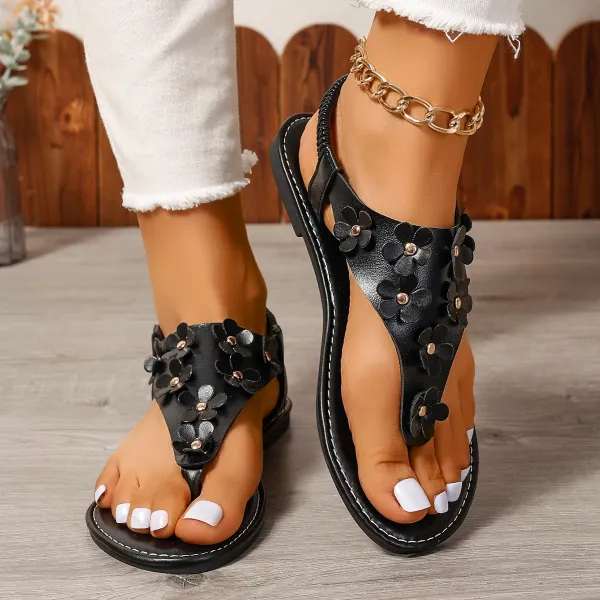
For a wide selection of wholesale shoes to support your international expansion, explore the extensive collection available through reputable suppliers. Whether you're looking for popular categories like [wholesale sandals](https://www.fashiontiy.com/wholesale-sandals.html) and [wholesale boots](https://www.fashiontiy.com/wholesale-boots.html), or specialized options like [wholesale house slippers](https://www.fashiontiy.com/wholesale-house-slippers.html), having a diverse product offering is essential for international success.
By staying informed about international market trends, understanding local customer needs, and implementing effective expansion strategies, wholesale shoe businesses can successfully navigate the complexities of international markets and achieve long-term growth and profitability.