> For the complete documentation index, see [llms.txt](https://www.babareplica7.ru/llms.txt). Markdown versions of documentation pages are available by appending `.md` to page URLs; this page is available as [Markdown](https://www.babareplica7.ru/how-to-build-your-clothing-brand-with-seamless-private-label-services.md).
# How to Build Your Clothing Brand with Seamless Private Label Services
In today’s fast-paced fashion industry, standing out is no longer just about selling clothes; it’s about creating a cohesive brand experience that resonates with customers. For new and established entrepreneurs alike, private label services offer a pathway to develop a strong, recognizable clothing brand without the complexities of managing production from scratch. By leveraging these services, businesses can focus on branding, marketing, and customer engagement while ensuring high-quality, customized products.
Private labeling allows entrepreneurs to design, manufacture, and sell clothing under their own brand name, giving them complete control over design, fabrics, labels, packaging, and even marketing strategies. Modern [customization service](https://www.fashiontiy.com/custom-plus-size-clothing.html) platforms make this process seamless, enabling small boutiques and large e-commerce stores to create unique offerings that reflect their brand identity.
This article explores how to build a clothing brand using private label services, highlighting the benefits, strategies, and practical steps to succeed in the competitive apparel market.
### Understanding Private Label Services
#### What is Private Labeling?
Private labeling is the practice of selling products manufactured by a third-party supplier under your own brand name. Unlike reselling generic inventory, private labeling allows complete control over:
* **Design:** Choosing fabrics, patterns, colors, and styles.
* **Branding:** Adding custom labels, tags, and logos to reinforce brand identity.
* **Packaging:** Designing branded boxes, bags, or inserts that enhance the unboxing experience.
* **Product Selection:** Offering items that meet your target market’s preferences and expectations.
Through private labeling, businesses can transform ordinary apparel into branded products that tell a story and create emotional connections with customers.
#### Benefits of Private Label Services
1. **Brand Differentiation:** Unique products create a distinct presence in a crowded market.
2. **Higher Profit Margins:** Private label products can command premium pricing due to their exclusive nature.
3. **Creative Freedom:** Brands control the design process, materials, and quality standards.
4. **Customer Loyalty:** Unique products and consistent branding encourage repeat purchases.
5. **Operational Efficiency:** Suppliers handle production, allowing brands to focus on marketing and customer engagement.
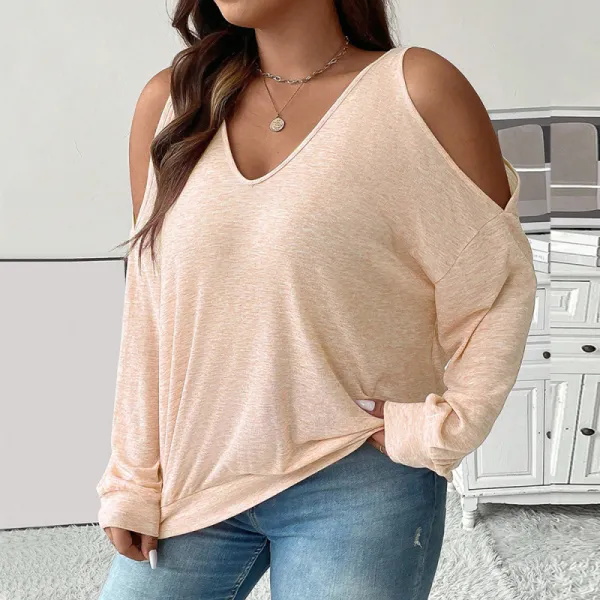
For instance, custom plus size clothing allows brands to cater to an underserved market, creating both a niche presence and loyal customer base.
### Step 1: Defining Your Brand Identity
Before creating private label products, businesses must define their brand identity:
* **Target Audience:** Determine age, lifestyle, purchasing habits, and preferences.
* **Brand Values:** Sustainability, inclusivity, affordability, luxury, or lifestyle orientation.
* **Visual Identity:** Logos, color palettes, typography, and product aesthetics.
* **Product Niche:** Decide whether to focus on dresses, sportswear, lingerie, or accessories.
For example, a boutique specializing in [custom dresses](https://www.fashiontiy.com/custom-dresses.html) can emphasize elegance and craftsmanship, whereas a brand offering [custom sportswear](https://www.fashiontiy.com/custom-sportswear.html) might focus on performance, comfort, and versatility.
### Step 2: Sourcing the Right Private Label Supplier
A reliable supplier is essential for delivering high-quality, consistent products. Key factors to consider:
* **Customization Options:** Ability to produce designs aligned with your brand vision.
* **Quality Assurance:** Adherence to strict production and quality control standards.
* **Order Flexibility:** Accommodates small initial orders with scalable options.
* **Experience with Private Label Products:** Familiarity with custom lingerie, swimwear, or other specialized apparel.
Working with a reputable supplier ensures a seamless production process and helps brands maintain credibility with customers.
### Step 3: Designing Unique Products
Product design is the heart of private label branding. Consider:
* **Fabric Selection:** Premium, sustainable, or performance fabrics depending on your niche.
* **Style and Fit:** Inclusive sizing, ergonomic cuts, or custom silhouettes.
* **Functionality:** Pockets, adjustable features, or versatile pieces that add value.
* **Visual Appeal:** Prints, colors, and patterns aligned with your brand’s aesthetic.
Brands can create exclusive collections like [custom swimwear](https://www.fashiontiy.com/custom-swimwear.html) or custom women’s sets that resonate with their target market and set them apart from competitors.
### Step 4: Branding Through Labels and Tags
Custom labels are a critical component of private label branding. They reinforce your brand identity and communicate quality.
* **Label Types:** Woven, printed, embossed, or embroidered options.
* **Logo Integration:** Consistent placement on products for brand recognition.
* **Taglines or Brand Stories:** Highlight your brand philosophy and mission.
* **Product-Specific Branding:** Use tags on [custom socks](https://www.fashiontiy.com/custom-socks.html) or denim items like custom jeans to maintain consistency across product lines.
Labels and tags create a cohesive and professional impression, enhancing customer trust and brand loyalty.
### Step 5: Packaging That Enhances the Brand
Packaging is more than protection; it’s a marketing tool. Consider:
* Branded boxes, tissue paper, and bags
* Personalized inserts such as thank-you notes or care instructions
* Eco-friendly materials for environmentally conscious consumers
Custom packaging reinforces your brand story and makes the unboxing experience memorable, encouraging social media sharing and organic promotion.
### Step 6: Creating an Omnichannel Brand Experience
A seamless brand experience extends beyond the product itself. Elements to consider include:
* **Website Design:** Consistent branding, intuitive navigation, and engaging product visuals.
* **Product Pages:** Detailed descriptions, sizing guides, and lifestyle photography.
* **Customer Support:** Prompt, helpful service to enhance satisfaction.
* **Social Media Presence:** Engaging content that reflects your brand values and aesthetic.
Through an integrated approach, brands can ensure that every touchpoint reinforces their identity and builds customer loyalty.
### Step 7: Marketing Your Private Label Brand
#### Social Media Marketing
Social media is a powerful channel to showcase private label products:
* Highlight [custom lingerie](https://www.fashiontiy.com/custom-lingerie.html), sportswear, or seasonal collections
* Share behind-the-scenes content of the design and production process
* Collaborate with influencers to reach target audiences
* Encourage user-generated content for authentic engagement
#### Email Marketing
Engage customers with:
* Product announcements and seasonal collections
* Personalized promotions based on purchase history
* Educational content like styling guides or care instructions
Email campaigns drive repeat purchases and strengthen brand loyalty.
#### Content and SEO
Creating optimized content helps brands attract organic traffic and establish authority:
* Blog posts on fashion trends and styling tips
* Product care and maintenance guides
* Brand stories highlighting sustainability, inclusivity, or craftsmanship
SEO-optimized content ensures your private label brand is discoverable to potential customers.
### Step 8: Managing Inventory and Supply Chain
Efficient operations are crucial for scaling a private label brand:
* Forecast demand to avoid stockouts or overproduction
* Maintain transparent communication with suppliers
* Track inventory and sales trends for informed decision-making
* Ensure timely delivery and quality control for consistent customer satisfaction
Reliable inventory management allows brands to grow without sacrificing quality or customer experience.
### Step 9: Expanding Product Lines Strategically
Once your brand gains traction, expand thoughtfully into complementary categories:
* Custom swimwear or lingerie
* [Custom women’s sets](https://www.fashiontiy.com/custom-womens-sets.html) for coordinated offerings
* Accessories like custom socks
* Denim products like [custom jeans](https://www.fashiontiy.com/custom-jeans.html) for casual wear
Strategic expansion diversifies revenue while maintaining brand coherence.
### Step 10: Building Customer Loyalty and Advocacy
Private label brands thrive on strong relationships with customers:
* Offer loyalty programs and exclusive access to new collections
* Encourage reviews, testimonials, and social media engagement
* Personalize communication and recommend products based on preferences
* Reward repeat customers with discounts or limited edition items
A loyal customer base ensures sustained growth and advocacy for your brand.
### Overcoming Challenges in Private Label Branding
#### Initial Investment
Creating private label products involves upfront costs for design, production, and branding. However, the potential for higher margins and brand equity justifies the investment.
#### Supplier Dependence
Reliable manufacturers are crucial. Clear communication and contingency planning minimize risks of delays or quality issues.
#### Maintaining Quality
Consistent quality is essential for reputation. Implement thorough quality control procedures and regular checks.
#### Balancing Trends and Longevity
While incorporating trends is important, your brand should maintain timeless elements to remain relevant over time.
### Future Trends in Private Label Clothing
#### Hyper-Personalization
Customers increasingly value personalized products, from sizing to color options, enhancing loyalty and satisfaction.
#### Sustainability
Eco-friendly fabrics, responsible sourcing, and sustainable packaging are becoming essential for modern consumers.
#### Digital Innovation
Virtual fittings, augmented reality, and AI-driven analytics improve customer experience and reduce returns.
#### Global Expansion
Private label brands can scale internationally, leveraging e-commerce platforms for localized marketing and distribution.
Building a clothing brand through private label services is a transformative approach that allows entrepreneurs to differentiate themselves in a crowded market. By leveraging customization service platforms and trusted suppliers, businesses can design, produce, and market high-quality, branded apparel with control over every aspect of the customer experience.
From custom plus size clothing and custom dresses to swimwear, lingerie, sportswear, coordinated sets, socks, and denim, private labeling enables brands to create cohesive, memorable product offerings. With strategic design, marketing, and operational planning, your clothing brand can evolve from generic inventory to a thriving private label powerhouse, delivering both financial success and lasting customer loyalty.