> For the complete documentation index, see [llms.txt](https://www.babareplica7.ru/llms.txt). Markdown versions of documentation pages are available by appending `.md` to page URLs; this page is available as [Markdown](https://www.babareplica7.ru/beauty-products-wholesale-cost-control-strategies-for-small-businesses.md).
# Beauty Products Wholesale: Cost Control Strategies for Small Businesses
For small beauty businesses, managing costs is as critical as attracting new customers. Effective cost control in wholesale purchasing can make the difference between a profitable venture and a business struggling to break even. From negotiating bulk purchases to optimizing inventory and building strong supplier relationships, small enterprises can strategically reduce expenses while maintaining high-quality offerings for their clients. This guide explores actionable strategies to control costs when sourcing beauty products wholesale, focusing on practical insights for small business owners.
### Understanding Wholesale Purchasing for Small Beauty Businesses
Wholesale purchasing allows small beauty businesses to access professional-grade products at lower unit costs. By buying in bulk, retailers and salon owners can stock a wider range of products while preserving margins. Key considerations include identifying reliable suppliers, understanding product categories, and evaluating cost structures.
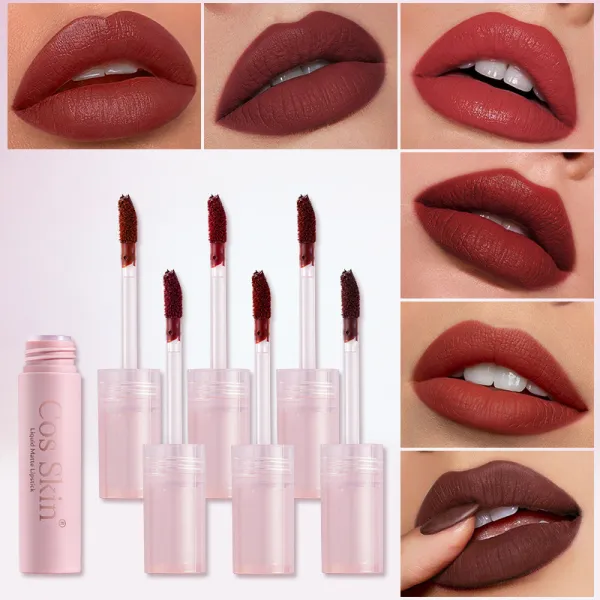
For example, sourcing [wholesale makeup products](https://www.superflive.com/) gives businesses access to foundational beauty items such as foundations, powders, lipsticks, and eye products. By leveraging wholesale channels, businesses can buy large quantities at discounted rates, reducing the cost per unit and increasing profitability.
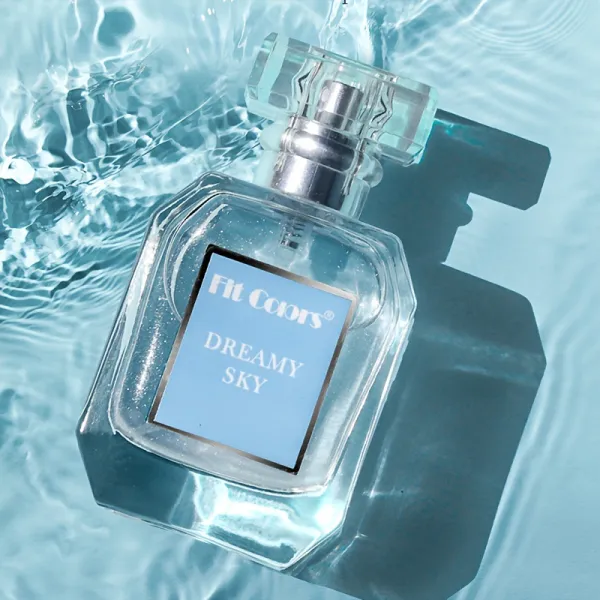
Similarly, investing in complementary product lines, such as [wholesale perfume](https://www.superflive.com/wholesale-perfume.html), can diversify inventory and create opportunities for higher-margin upsells. Small businesses can benefit from offering signature fragrances alongside cosmetics, creating a comprehensive beauty experience for their customers.
### Strategy 1: Bulk Purchasing for Cost Efficiency
One of the most straightforward ways to control costs is through bulk purchasing. Buying in larger quantities usually results in significant per-unit discounts. Small businesses should carefully analyze demand forecasts to ensure that bulk orders match customer consumption rates, avoiding overstocking or product expiration.
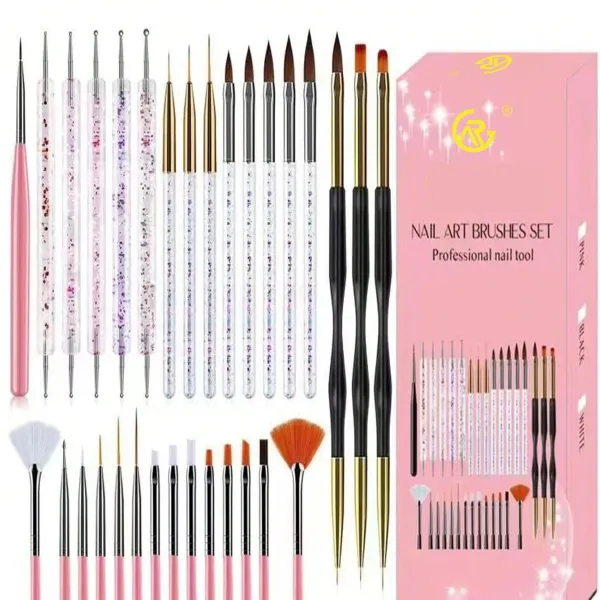
For instance, stocking popular items like [sunscreen sticks bulk](https://www.superflive.com/products/SF3D30318.html) or [pink makeup brush wholesale](https://www.superflive.com/products/SF3AABC1C.html) in bulk allows a small business to offer competitive pricing while keeping costs manageable. When executed correctly, bulk purchasing not only reduces the cost per item but also strengthens supplier relationships, opening doors to exclusive deals and early access to new products.
To maximize efficiency, consider combining related product categories in bulk orders. For example, buying both wholesale nail supplies and [wholesale nail accessories](https://www.superflive.com/wholesale-nail-accessories.html) together can reduce shipping costs and provide a complete range for nail service clients.
### Strategy 2: Negotiating with Suppliers
Effective supplier negotiation is an essential skill for small beauty businesses looking to control costs. Many suppliers are open to offering discounts for consistent or high-volume orders, long-term partnerships, or bundled product purchases.
When negotiating, focus on:
1. **Volume discounts**: Suppliers often provide lower unit prices for larger purchases.
2. **Payment terms**: Extended payment plans or early payment incentives can ease cash flow pressures.
3. **Exclusive deals**: Some suppliers may offer exclusive product bundles or early access to trending items like [Yara perfume wholesale](https://www.superflive.com/products/SF3AC40D.html).
4. **Shipping and handling**: Negotiating lower or free shipping for bulk orders can significantly reduce costs.
Maintaining good relationships with suppliers also ensures priority during high-demand seasons, minimizing the risk of stock shortages. Engaging in transparent conversations about order expectations and timelines helps create mutually beneficial arrangements.
### Strategy 3: Inventory Management and Optimization
Efficient inventory management is crucial to prevent excess stock, reduce waste, and optimize cash flow. Small businesses should implement systems to track sales trends, seasonal demand, and product turnover rates.
For example, maintaining data on the performance of items such as [wholesale lip gloss](https://www.superflive.com/wholesale-lip-gloss.html) or [wholesale cosmetic jars](https://www.superflive.com/wholesale-cosmetic-jars.html) can guide purchasing decisions, ensuring stock levels align with actual customer demand.
Tips for optimizing inventory include:
* **FIFO method**: Selling older stock first to prevent product expiration.
* **Regular audits**: Conducting periodic checks to identify slow-moving items and adjust future orders.
* **Safety stock levels**: Maintaining minimum stock quantities to prevent shortages without over-purchasing.
By reducing overstock and minimizing unsold inventory, small businesses can maintain healthy margins and free up capital for other investments.
### Strategy 4: Diversifying Product Lines Wisely
While cost control is important, diversifying product offerings can increase revenue and attract new clients. Small businesses should carefully select complementary items that align with core services.
For instance, adding [wholesale hair care products](https://www.superflive.com/wholesale-hair-care-products.html) such as shampoos, conditioners, and styling tools can enhance salon services while driving additional sales. Similarly, incorporating wholesale makeup brushes and [wholesale makeup bags](https://www.superflive.com/wholesale-makeup-bags.html) provides clients with high-quality tools to maintain their makeup at home.
Diversification can also include seasonal products like limited-edition [wholesale women's perfume](https://www.superflive.com/wholesale-women-perfume.html) collections or trending [wholesale hair extensions](https://www.superflive.com/wholesale-hair-extensions.html). Strategic product selection ensures that inventory investments generate maximum returns without unnecessary financial strain.
### Strategy 5: Leveraging Technology for Cost Control
Technology plays a vital role in streamlining operations and reducing costs. Inventory management software, automated reorder systems, and sales analytics tools help small businesses make data-driven decisions.
For example:
* **Sales forecasting**: Predict demand for items like [wholesale press on nails](https://www.superflive.com/wholesale-press-on-nails.html) to prevent overstocking.
* **Automated reordering**: Set thresholds for key products to maintain optimal inventory levels.
* **Supplier portals**: Many suppliers, such as [wholesale fragrance oils](https://www.superflive.com/wholesale-fragrance-oils.html), provide online portals to streamline bulk orders and track shipments efficiently.
By utilizing these tools, small businesses can reduce human error, save time, and maintain tighter control over expenses.
### Strategy 6: Prioritizing Quality over Quantity
While cost reduction is a priority, sacrificing product quality can harm your brand reputation. Customers associate premium quality with reliability, and offering inferior products can result in returns, complaints, and lost revenue.
Focus on sourcing reliable wholesale products such as [wholesale hair suppliers](https://www.superflive.com/wholesale-hair-suppliers.html) for professional tools, [wholesale wigs](https://www.superflive.com/wholesale-wigs.html), or [wholesale braiding hair](https://www.superflive.com/wholesale-braiding-hair.html) that meet industry standards. Investing slightly more in high-quality items can save money in the long term by reducing replacements and enhancing client satisfaction.
### Strategy 7: Seasonal and Promotional Planning
Small businesses can optimize purchasing costs by planning for seasonal demand and promotional events. Bulk purchasing before major holidays, beauty events, or back-to-school seasons often provides access to discounted rates and limited-edition products.
Examples include stocking up on [wholesale nail accessories](https://www.superflive.com/wholesale-nail-accessories.html) or wholesale nail supplies ahead of peak manicure season or acquiring trending cosmetic tools for gift bundles during the holiday period. Strategic planning helps businesses capitalize on high-demand periods while controlling inventory costs.
For small beauty businesses, effective cost control strategies in wholesale purchasing are vital to profitability and sustainability. By leveraging bulk purchasing, negotiating with suppliers, optimizing inventory, and diversifying products wisely, small enterprises can reduce expenses while providing high-quality offerings to clients.
Incorporating complementary wholesale products, such as [wholesale men's perfume](https://www.superflive.com/wholesale-men-perfume.html), [wholesale salon supplies](https://www.superflive.com/wholesale-salon.html), and [wholesale makeup brushes](https://www.superflive.com/wholesale-makeup-brushes.html), enhances revenue streams and creates a competitive advantage in the beauty market.
Finally, investing in reliable suppliers, maintaining quality standards, and embracing technology ensures that small businesses can maximize profits while delivering exceptional service. With these strategies, small beauty businesses can achieve sustainable growth, strengthen client loyalty, and remain resilient in a competitive market.